






The Enduring Appeal and Depth of Strategy Games
Strategy games have long been a captivating genre for players around the globe, offering complex challenges and stimulating gameplay that encourages thoughtful planning and strategic thinking. This category encompasses a wide array of games, from real-time strategy (RTS) experiences, like the classic 'Age of Empires', to turn-based strategies akin to 'Civilization'. Each game within this genre offers a unique experience, testing players' abilities to strategize, manage resources, and anticipate the moves of opponents. One of the standout features of strategy games is their ability to engage players for hours, with each decision potentially altering the course of the game. This depth is what makes these games not just leisure activities but exercises in critical thinking and tactical planning.
A modern subgroup of strategy games that has gained significant popularity is the 4X genre, which stands for "explore, expand, exploit, and exterminate." These games typically involve managing an entire civilization or empire, requiring long-term planning to achieve victory. Sid Meier's 'Civilization' series is a quintessential example of 4X strategy, challenging players to lead their civilization from the Stone Age into the future, balancing diplomacy, war, technology, and culture. Another popular strategy genre is the MOBA (Multiplayer Online Battle Arena), which combines strategic planning with real-time action. Games like 'League of Legends' and 'Dota 2' have captivated audiences worldwide, fostering a competitive scene and a community of committed fans.
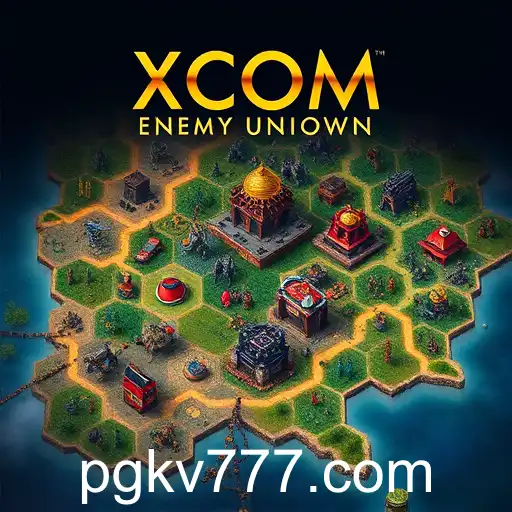
Strategy games are often recognized for their rich narratives and immersive worlds. For example, 'XCOM: Enemy Unknown' combines strategic combat with a compelling story of humanity's last stand against an alien invasion. Players must balance resource management with tactical combat, all while facing the pressure of a constantly evolving enemy. This combination of narrative and strategy creates an engaging experience that keeps players invested in both their success and the story. Another vital aspect of strategy games is their adaptability and replayability. Each game session can differ significantly from the last, as player decisions lead to unique outcomes and challenges. This unpredictability guarantees that players remain engaged, exploring new strategies and learning from past decisions.
In the digital era, the accessibility of strategy games has increased, with developers incorporating various difficulty levels to cater to different skill sets. This inclusivity welcomes newcomers to the genre, encouraging them to hone their strategic skills and embrace the challenges these games present. Additionally, many strategy games now offer multiplayer modes, allowing friends and communities to compete or collaborate, adding another layer of depth and excitement. With the advent of digital distribution platforms, indie developers are also entering the fray, crafting innovative strategy games that often blend genres and incorporate novel mechanics. These contributions have expanded the genre, showcasing the endless possibilities and enduring appeal of strategy games.
Rising Popularity of Online Gaming: A 2025 Perspective

An insightful look into the growing trends in online gaming, with a focus on the popular English game platform kv777 in 2025.
2025-12-12
Virtual Worlds Unite: Gaming in 2025

Exploring the evolving landscape of gaming in 2025, as technological advances merge with community-driven experiences to reshape entertainment.
2025-12-10
The Rise of Digital Gaming Communities

Exploring the transformation of gaming communities and their impact on the digital landscape in 2025.
2025-12-08
The Rise of Online Gaming in 2025

As 2025 unfolds, the online gaming landscape dramatically shifts, with platforms like kv777 playing pivotal roles in shaping its future.
2025-12-07

 download apk/ios